
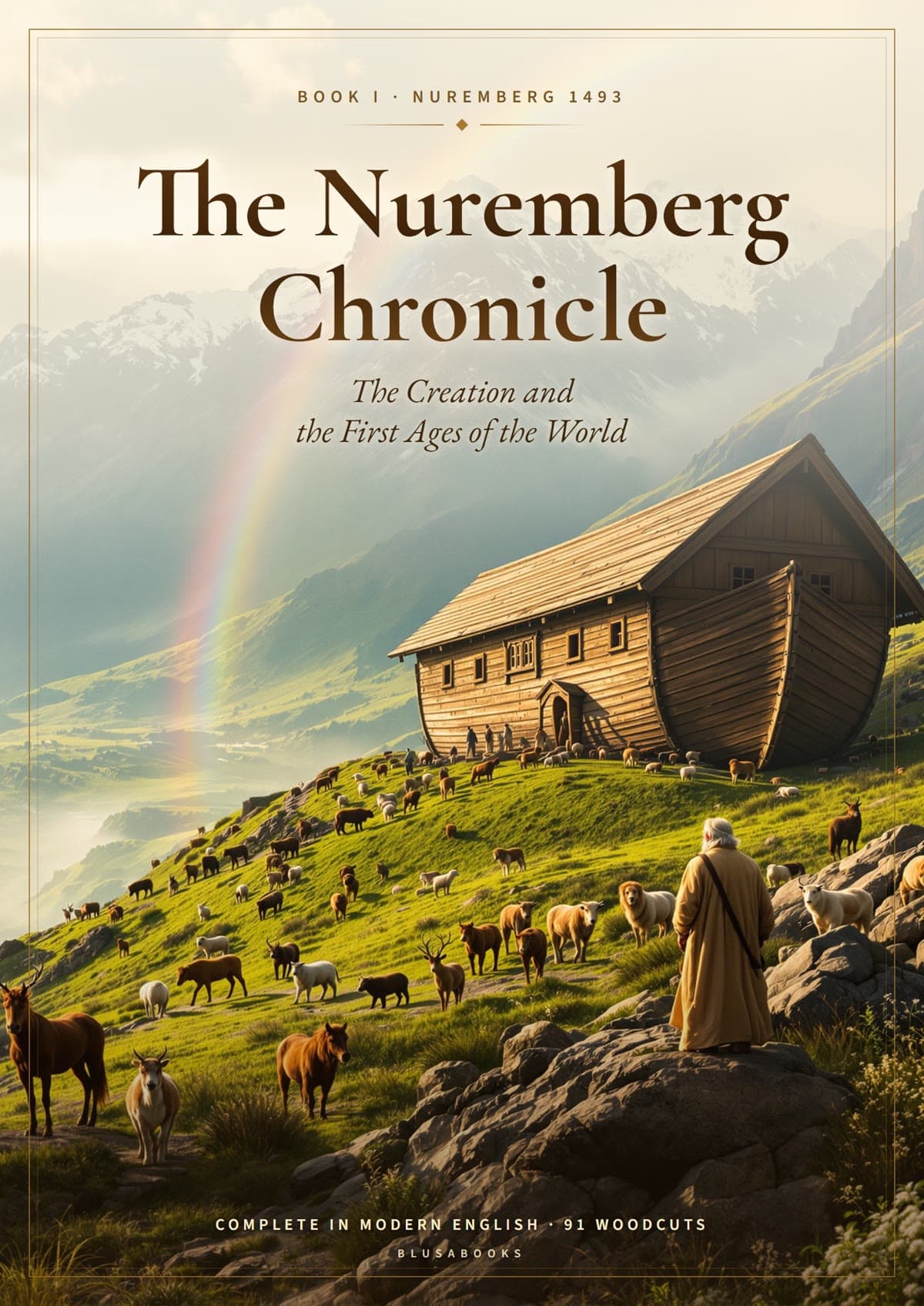
Nuremberg Chronicle
The Nuremberg Chronicle I. The Creation and the First Ages of the World
343 pages · PDF · also in paperback
€6.49€12.99
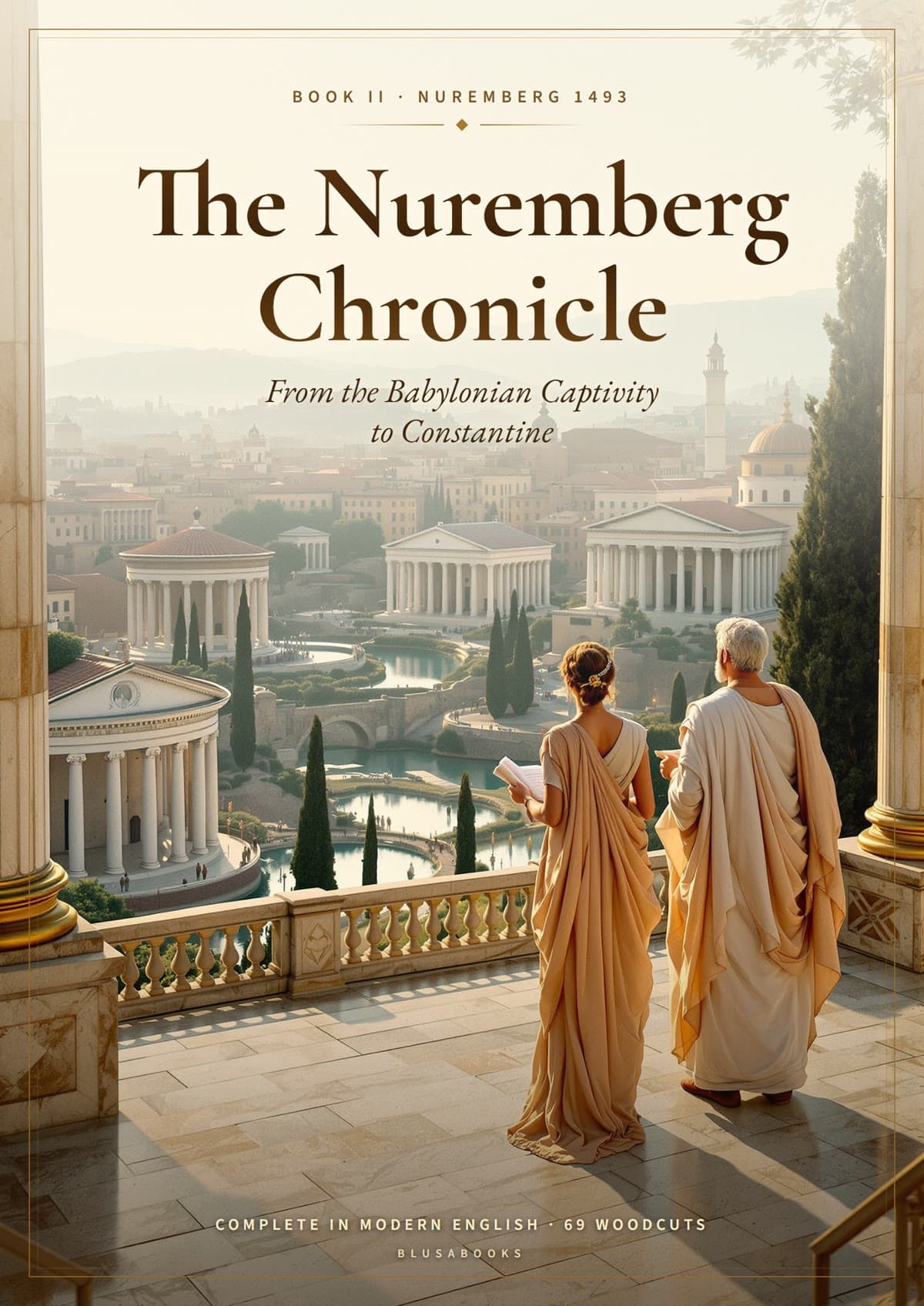 1 / 8
Book 2 of 6
The great illustrated history of the world of 1493 in modern English: Hartmann Schedel's Nuremberg Chronicle, Book II — from the Babylonian Captivity through the Persian kings, the Greek philosophers, Alexander the Great, the Maccabees, Caesar, Augustus and the birth of Christ, the apostles and the persecutions to Emperor Constantine. With 69 original woodcuts in the colours of a hand-painted copy. PDF, 418 pages.
−50% €12.99 €6.49
Sale ends 9 Dec · Lowest price in the last 30 days: €12.99
PDF e-book · no VAT added · instant download
Read a free sample →
Part of The Nuremberg Chronicle I–VI — Complete Set
All 6 for €24.99 €49.99 — save 36%
The Nuremberg Chronicle (Liber Chronicarum) was printed by Anton Koberger in Nuremberg on 12 July 1493 and became one of the most splendid books of the early age of printing. Its 1,809 woodcuts came from the workshop of Michael Wolgemut and Wilhelm Pleydenwurff, where the young Albrecht Dürer was then an apprentice. Schedel tells the history of the world in seven ages — and beside kings, emperors and saints he describes the great cities of his day: Verona, Milan, Florence, Cologne, Augsburg, Regensburg, Vienna, Nuremberg itself, Metz, Tivoli and Geneva.
About the translation: translated into modern English from the Latin edition of 1493 by BlusaBooks with the help of AI tools, working from images of the pages of a hand-coloured copy. A complete, sentence-by-sentence translation — not a summary; where a word had faded in the print, the sense was restored from the context and from Schedel's own sources.
Readers of ancient, Roman and early Christian history; lovers of old books, woodcuts and early printing; anyone curious about how people in 1493 imagined the world of Alexander, Caesar and the apostles.
This is the second book of a series of six. It covers the whole Fifth Age of the world (from the Captivity to the birth of Christ) and the Sixth Age up to Constantine the Great.
A historical source: Schedel writes as a man of the fifteenth century, with the beliefs and prejudices of his time; our explanations are in the notes and the commentary.
No reviews for this book yet. Every buyer is invited to leave an honest review a week after purchase — reviews come only from verified buyers.
Nuremberg Chronicle
343 pages · PDF · also in paperback
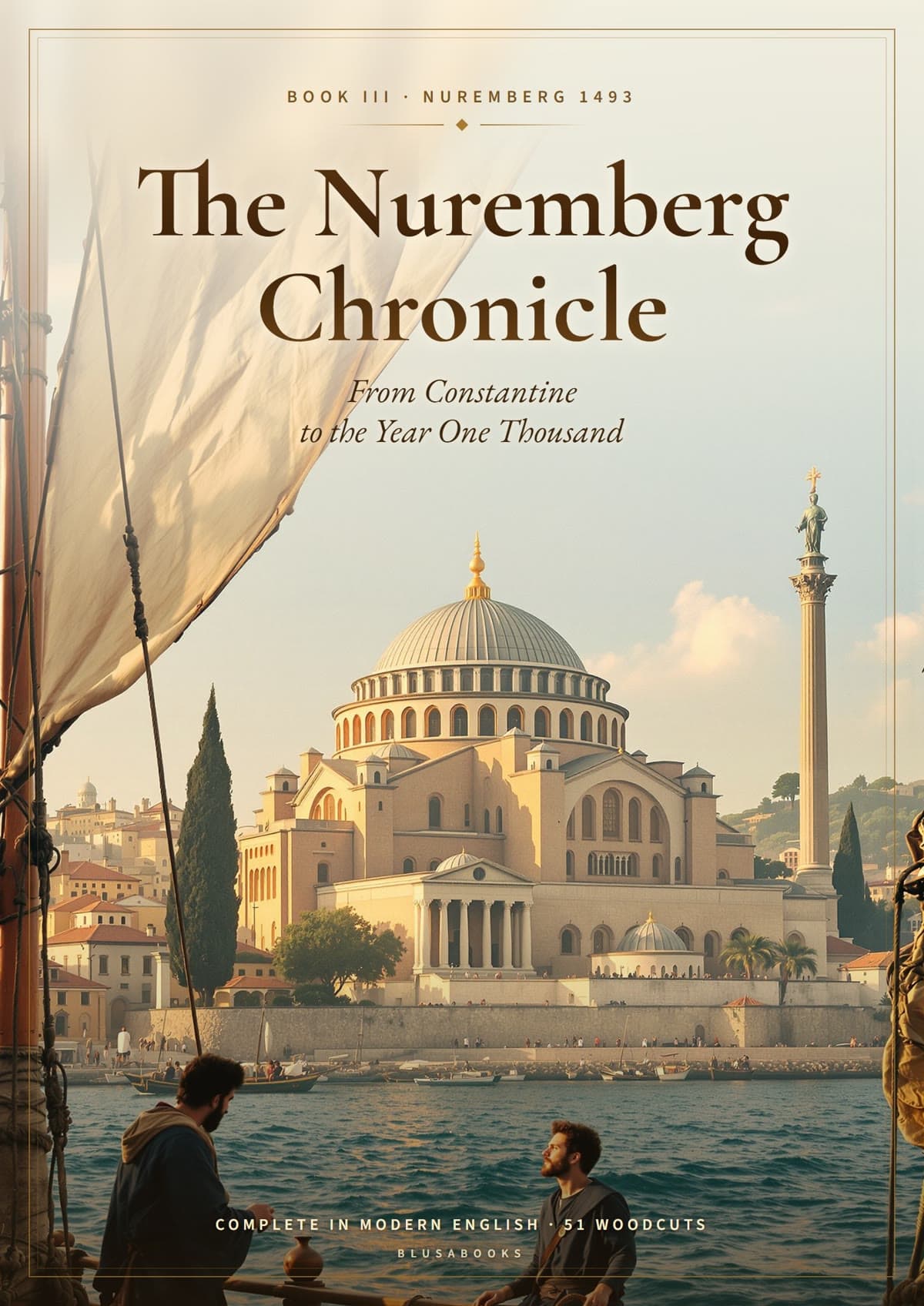
Nuremberg Chronicle
386 pages · PDF · also in paperback
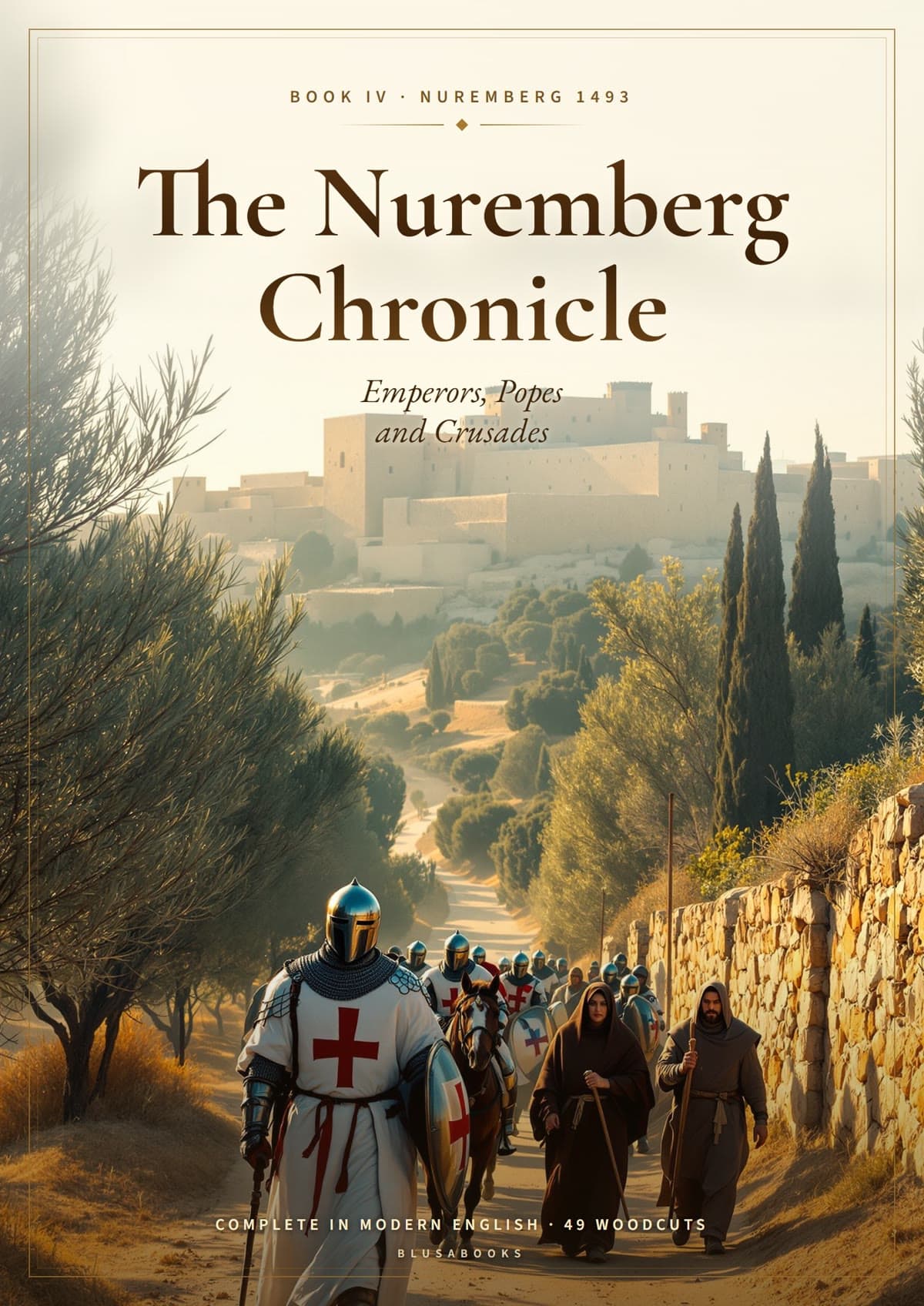
Nuremberg Chronicle
334 pages · PDF · also in paperback
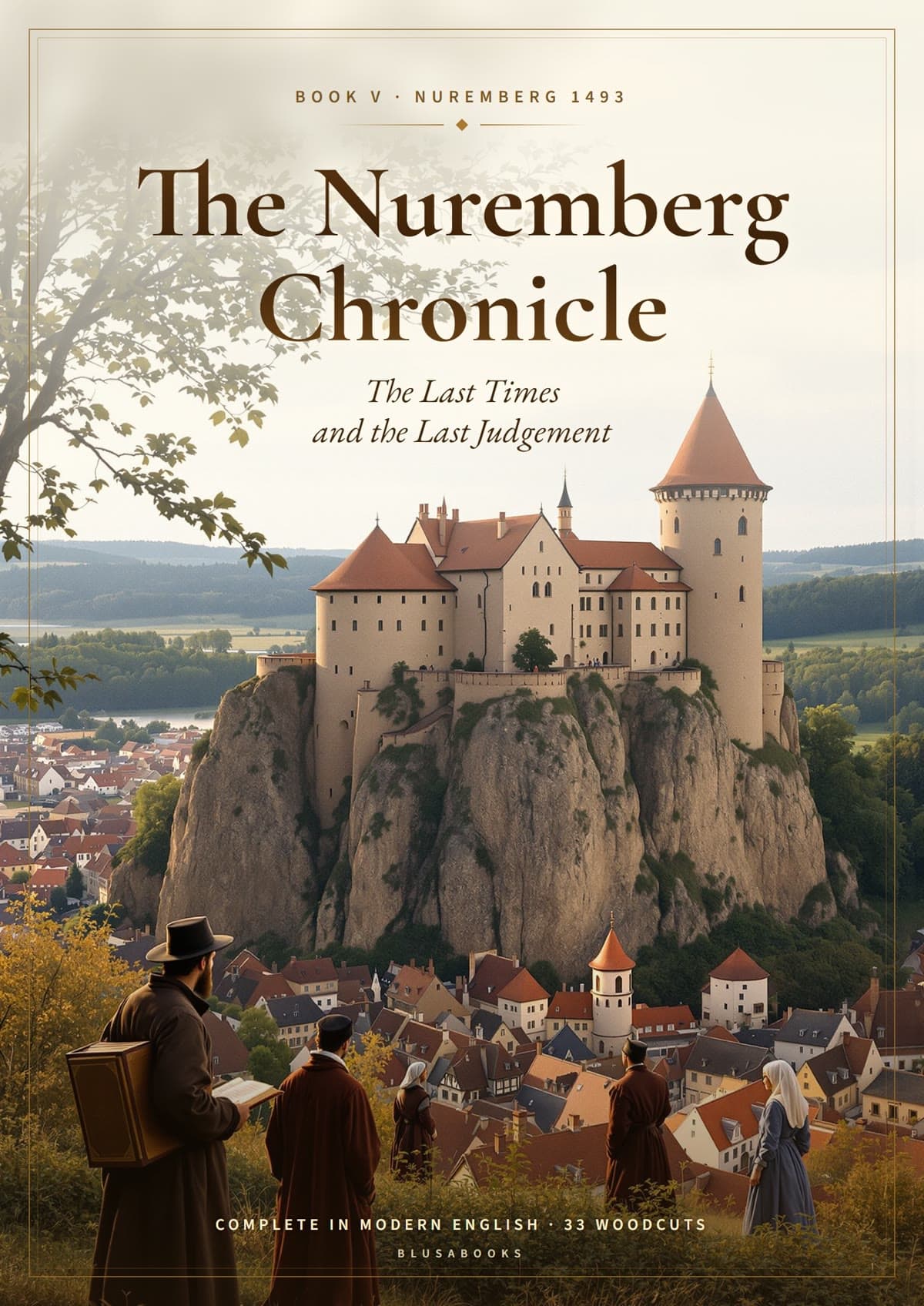
Nuremberg Chronicle
245 pages · PDF · also in paperback
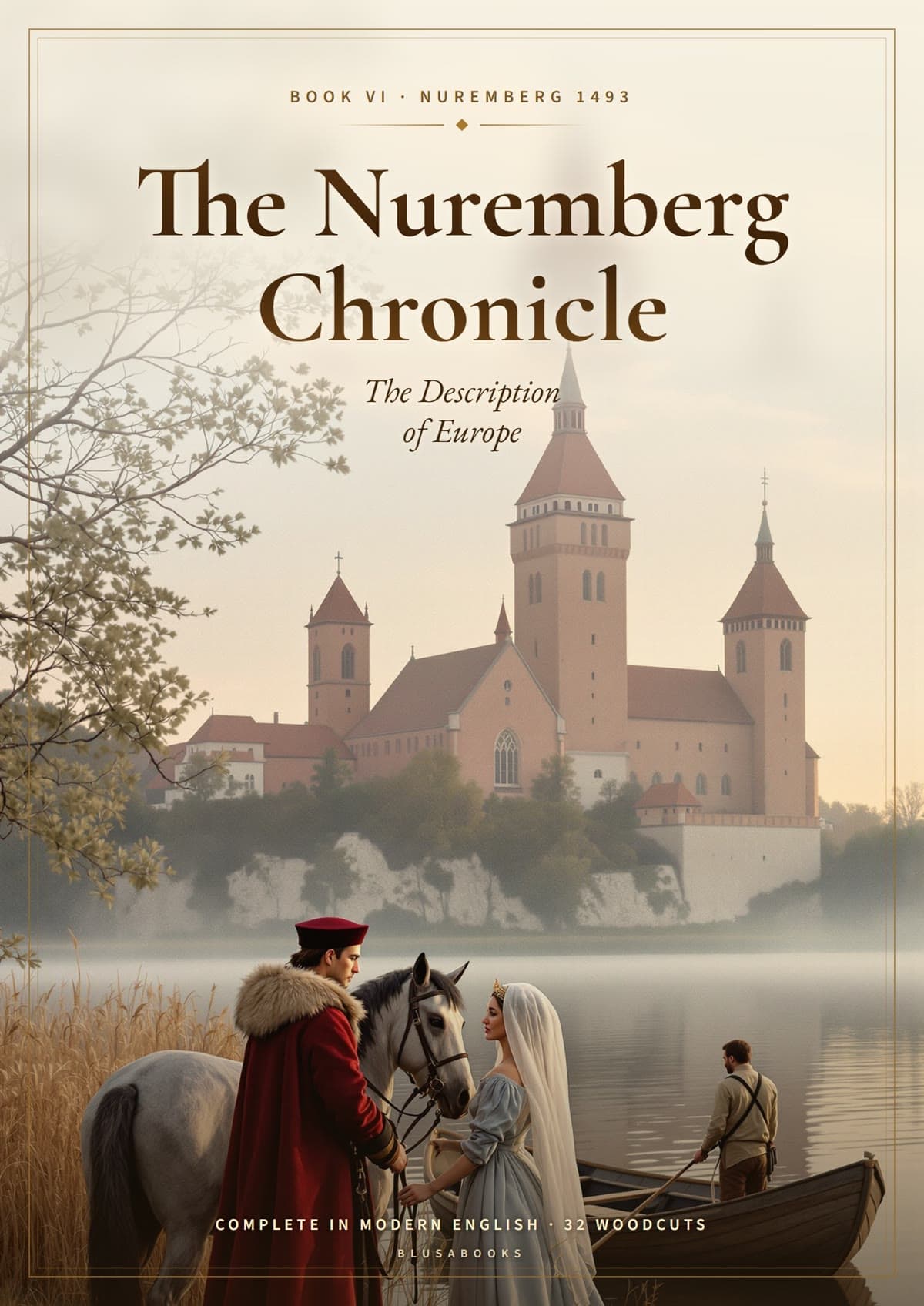
Nuremberg Chronicle
280 pages · PDF · also in paperback
May we count your visit (Google Analytics)? No ads. PrivacyMay we count your visit? We use Google Analytics to see which books readers look for, and remember for 30 days which link (e.g. YouTube) brought you here. No advertising, no profiles — see our privacy policy.