

Nuremberg Chronicle
The Nuremberg Chronicle I. The Creation and the First Ages of the World
343 pages · PDF · also in paperback
€6.49€12.99
 1 / 8
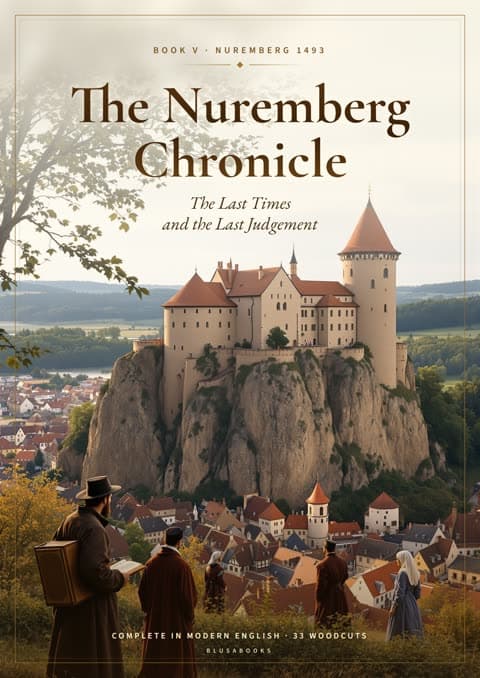
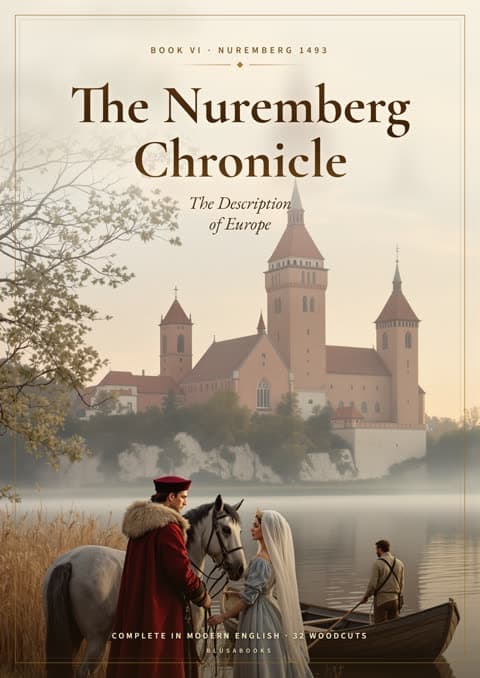
Book 6 of 6
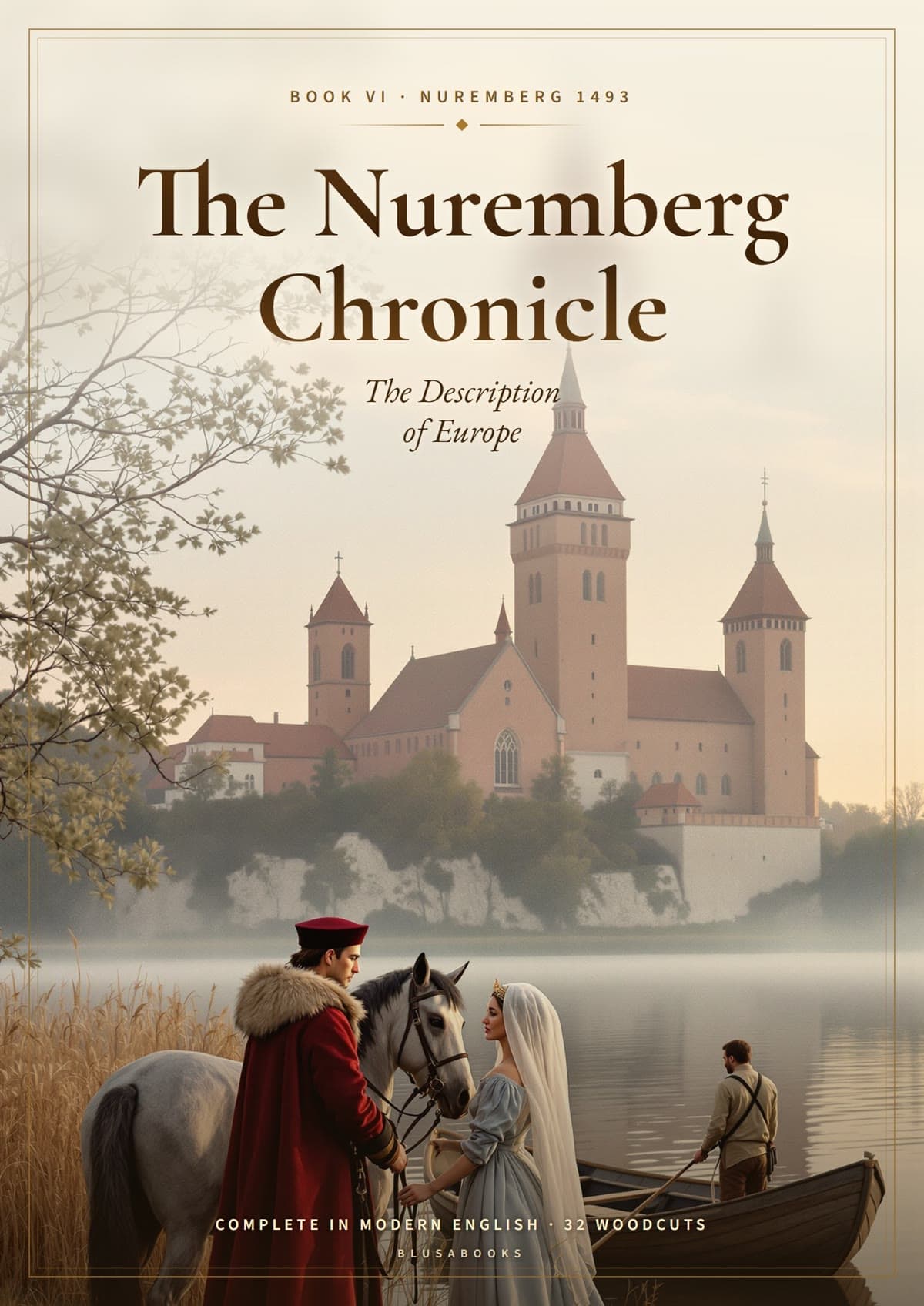
The final book of the great illustrated history of the world of 1493, in modern English: Hartmann Schedel's Nuremberg Chronicle, Book VI — the description of Europe. From Poland, Cracow and Lübeck through Hungary, the Ottoman Turks and the fall of Constantinople, Greece and the Balkans, Austria, Lithuania, Livonia and Prussia, Scandinavia and the German lands with Nuremberg, to France, England, Spain, Portugal and Italy — Genoa, Milan, Venice, Florence, Rome and Naples. It ends with the great woodcut map of Europe and the printer's colophon of 12 July 1493. With 32 original woodcuts in the colours of a hand-painted copy. PDF, 280 pages.
−50% €12.99 €6.49
Sale ends 9 Dec · Lowest price in the last 30 days: €12.99
PDF e-book · no VAT added · instant download
Read a free sample →
Part of The Nuremberg Chronicle I–VI — Complete Set
All 6 for €24.99 €49.99 — save 36%
The Nuremberg Chronicle (Liber Chronicarum) was printed by Anton Koberger in Nuremberg on 12 July 1493 and became one of the most splendid books of the early age of printing. Its 1,809 woodcuts came from the workshop of Michael Wolgemut and Wilhelm Pleydenwurff, where the young Albrecht Dürer was then an apprentice. Schedel told the history of the world in seven ages — and at the end he added a description of the lands of Europe, taken almost word for word from the humanist Enea Silvio Piccolomini, later Pope Pius II, who tells of the rulers and events he saw with his own eyes.
About the translation: translated into modern English from the Latin edition of 1493 by BlusaBooks with the help of AI tools, working from images of the pages of a hand-coloured copy. A complete, sentence-by-sentence translation — not a summary; where a word had faded in the print, the sense was restored from the context and from Schedel's own sources.
Readers of medieval and Renaissance history; anyone interested in Poland, Lithuania, the Baltic lands, Byzantium and the Ottomans, or Italy of the Medici; lovers of old books, woodcuts, early printing and old maps; anyone curious about how people in 1493 saw the lands of Europe.
This is the sixth and last book of a series of six. With it the whole Chronicle is complete.
A historical source: Schedel and Enea Silvio write as men of the fifteenth century, with the beliefs and prejudices of their time.
No reviews for this book yet. Every buyer is invited to leave an honest review a week after purchase — reviews come only from verified buyers.
Nuremberg Chronicle
343 pages · PDF · also in paperback
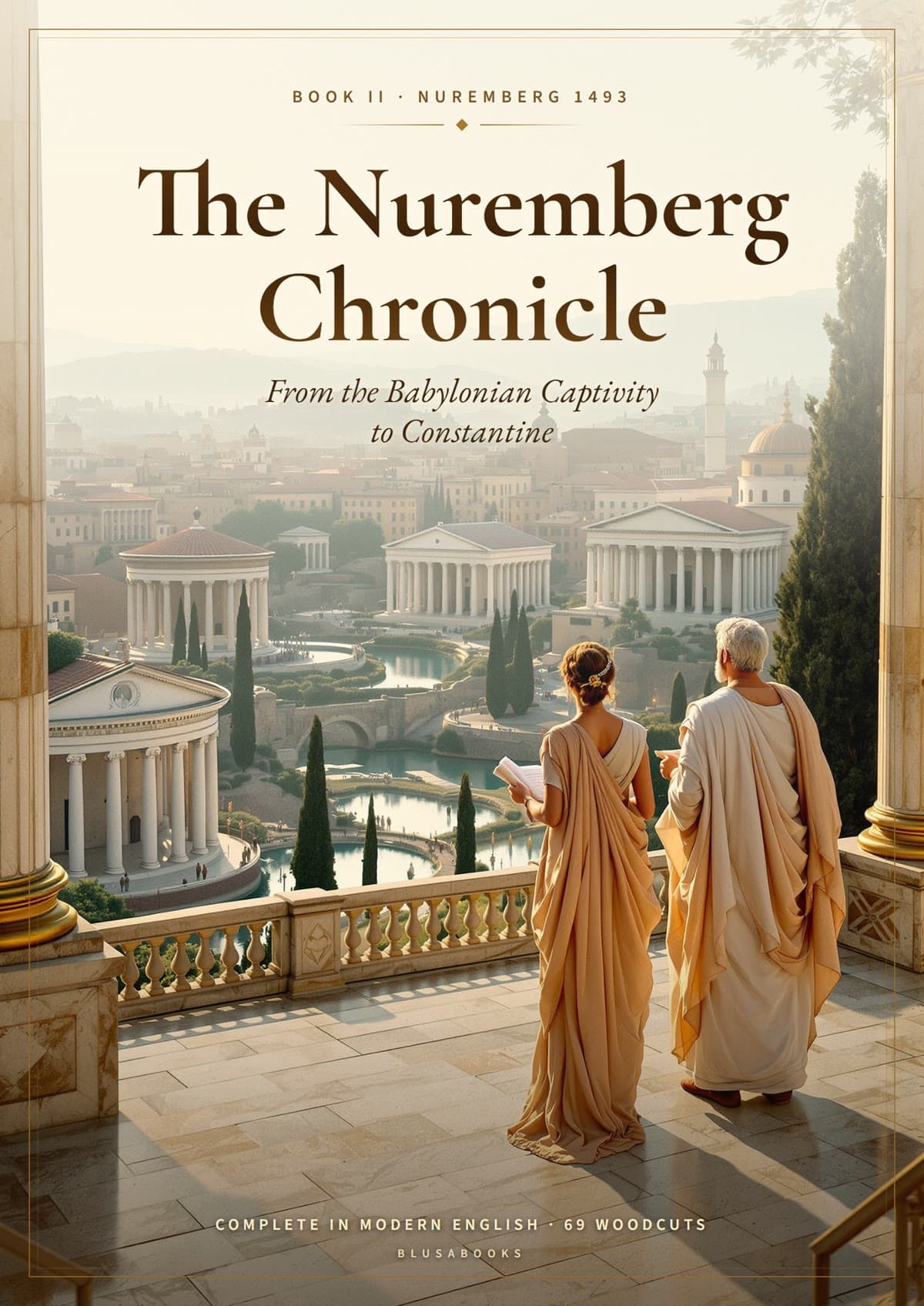
Nuremberg Chronicle
418 pages · PDF · also in paperback
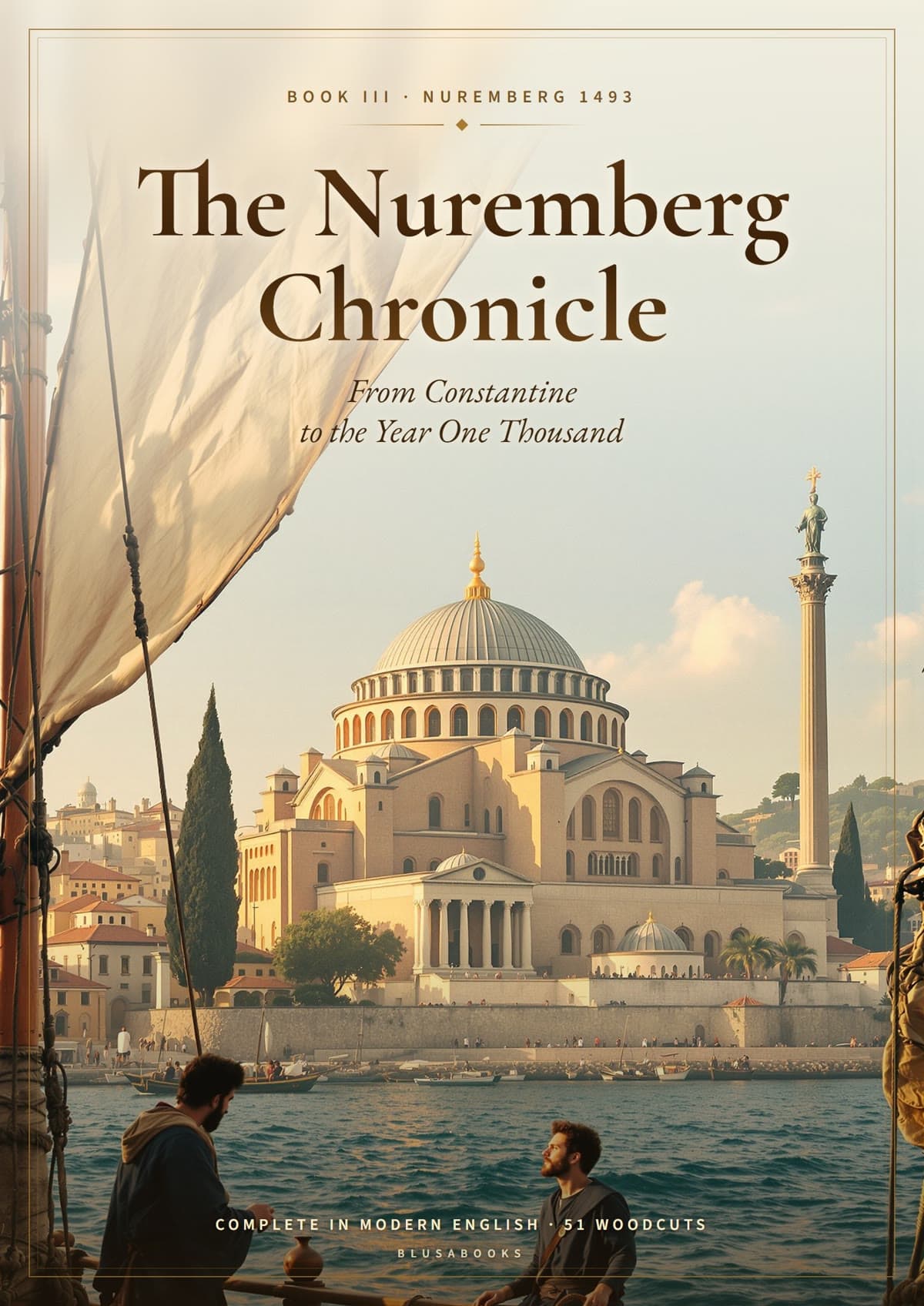
Nuremberg Chronicle
386 pages · PDF · also in paperback
Nuremberg Chronicle
334 pages · PDF · also in paperback
Nuremberg Chronicle
245 pages · PDF · also in paperback
May we count your visit (Google Analytics)? No ads. PrivacyMay we count your visit? We use Google Analytics to see which books readers look for, and remember for 30 days which link (e.g. YouTube) brought you here. No advertising, no profiles — see our privacy policy.