
 1 / 8
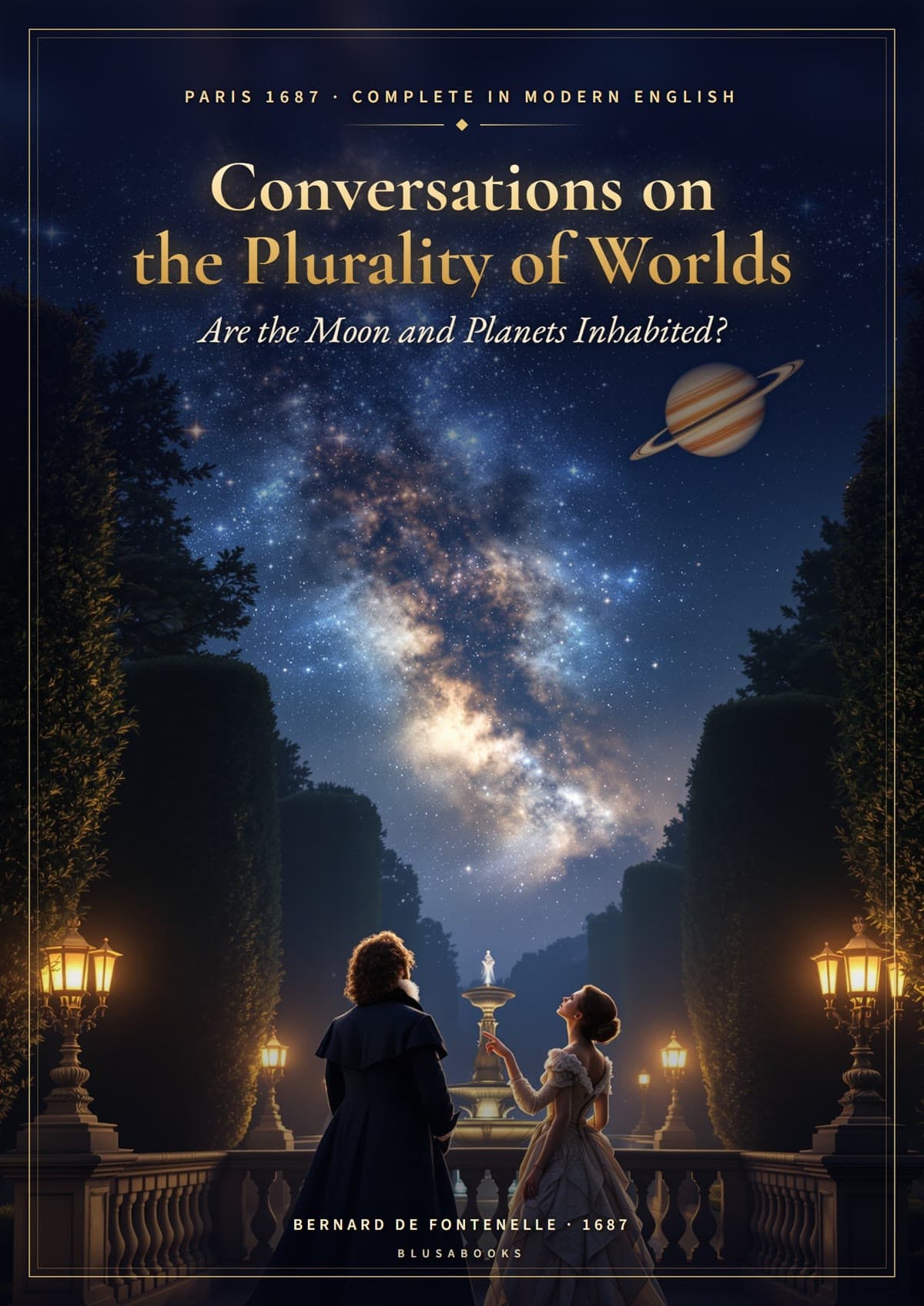
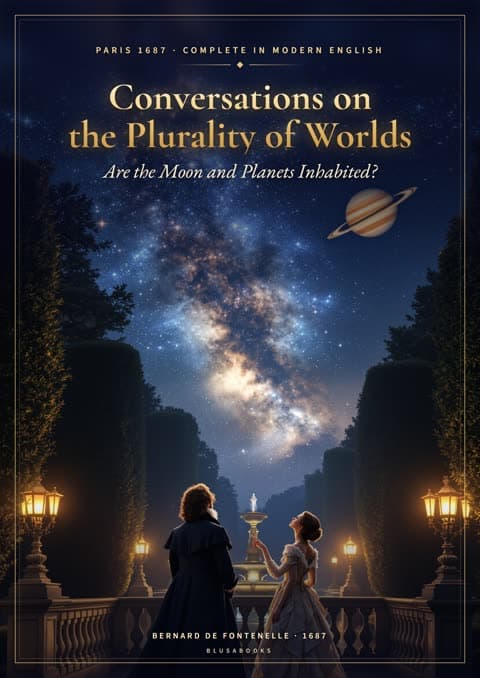
Conversations on the Plurality of Worlds: Are the Moon and Planets Inhabited?
Are the Moon and the planets inhabited? On six autumn evenings in a château park, a young philosopher and a witty Marquise walk beneath the stars and imagine who might live on other worlds: gallant lovers on Venus, a people mad with liveliness on Mercury, slow and solemn folk beneath the Ring of Saturn. Bernard de Fontenelle's Conversations on the Plurality of Worlds (Paris, edition of 1687) — complete, in modern English, with the original title page. PDF, 119 pages.
−20% €8.49 €6.79
Sale ends 30 Nov · Lowest price in the last 30 days: €4.24
PDF e-book · no VAT added · instant download
Read a free sample →- 119 pages, illustrated PDF — reads well on phone, tablet and computer
- Instant download after payment, links also sent by e-mail
- Secure checkout with Stripe — card, Apple Pay and more
Part of Infinite Worlds — Set of 3 Books
All 3 for €15.99 €19.99 — save 33%
About this book
Along the way the Marquise learns why the Earth turns about the Sun, why the Moon may be a world like ours, how the people of the Moon would see the Earth hanging still in their sky, and why every fixed star may be a sun with planets of its own. Fontenelle explains the new astronomy without a single formula — only wit, walks in the park and comparisons from the Paris salons.
Written in 1686 for readers who were not scholars, this is one of the first great works of popular science. It was reprinted and translated all through the eighteenth century and appeared in English as early as 1688. This is the enlarged edition of 1687, with the new Sixth Evening on the latest discoveries in the heavens.
Rendered into modern English by BlusaBooks with the help of AI tools, working from images of the pages of the French edition, Paris 1687. Sentence by sentence, not a summary or a retelling. The evening titles and subtitles come from the original.
What is inside
- all six evenings, with the author's preface and his letter to Monsieur L***
- the 1687 title page and a woodcut vignette from the same edition
- nine colour illustrations in the manner of 17th-century painting (created with AI tools)
- 158 footnotes on the same page: people, places and allusions explained, and where today's science differs
- a preface: Fontenelle, who lived to almost a hundred; a salon book written for women readers; Descartes' vortices before Newton; the book's influence
- Commentary at the end: each evening in plain words and what modern science says — the Copernican system, the airless Moon, the heat of Venus, the moons of Jupiter and Saturn, stars as suns, more than 6,000 exoplanets and the search for life
Who it is for
Anyone curious about aliens, the stars and the history of science; readers of classic voyages to other worlds, from Cyrano to Voltaire; a thoughtful gift for an astronomy lover.
A historical source: Fontenelle writes as a man of the seventeenth century, with the knowledge, beliefs and prejudices of his time, kept as in the original. The notes and commentary explain what we know today.
Reader reviews
No reviews for this book yet. Every buyer is invited to leave an honest review a week after purchase — reviews come only from verified buyers.
More from Other Worlds
See all →
Other Worlds
The Dream, or Lunar Astronomy: Kepler’s Journey to the Moon
105 pages · PDF · also in paperback
€6.79€8.49
Other Worlds
The Discovery of a World in the Moon: Is the Moon Inhabited?
124 pages · PDF · also in paperback
€6.79€8.49
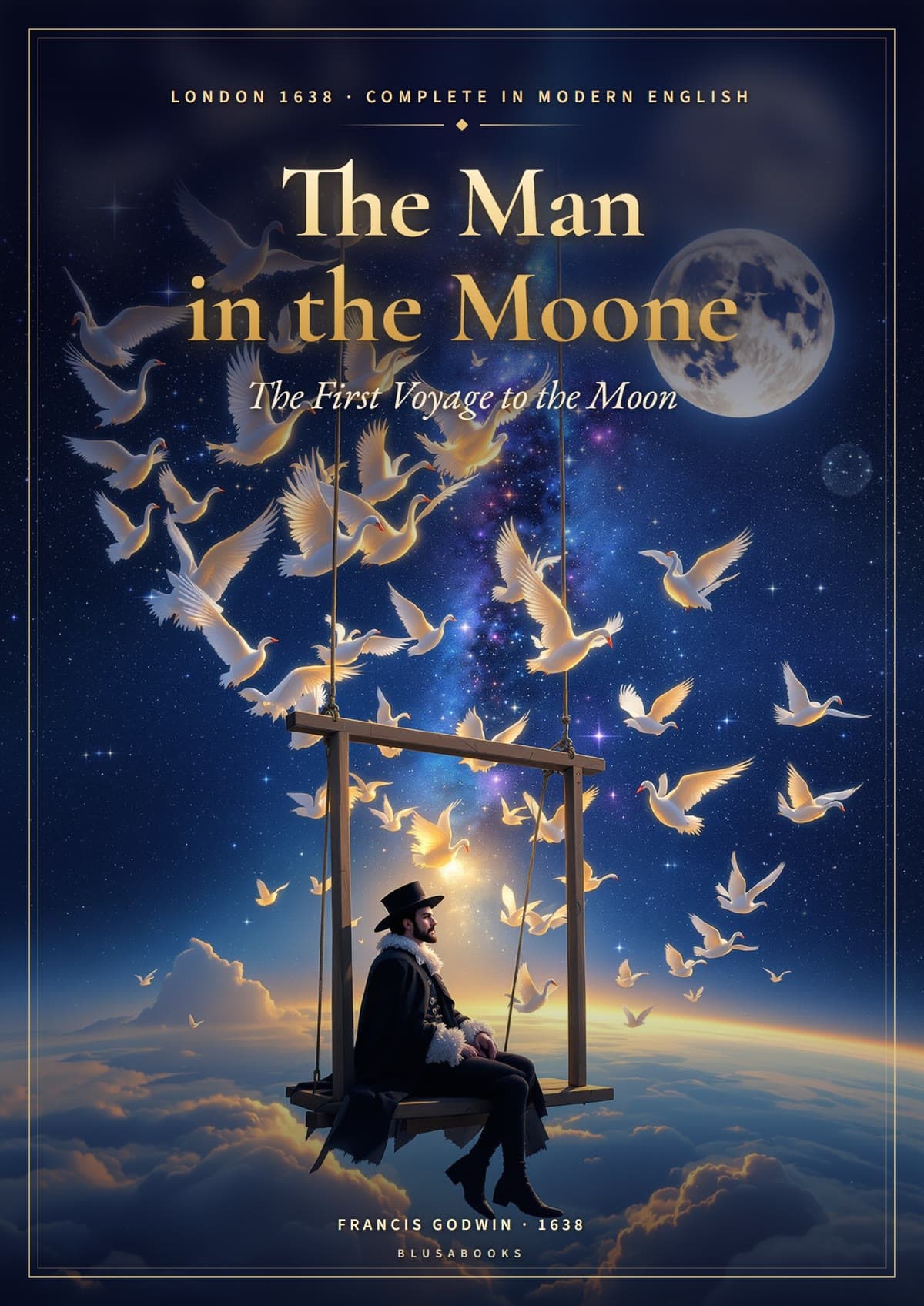
Other Worlds
The Man in the Moone: The First Voyage to the Moon
75 pages · PDF · also in paperback
€6.79€8.49
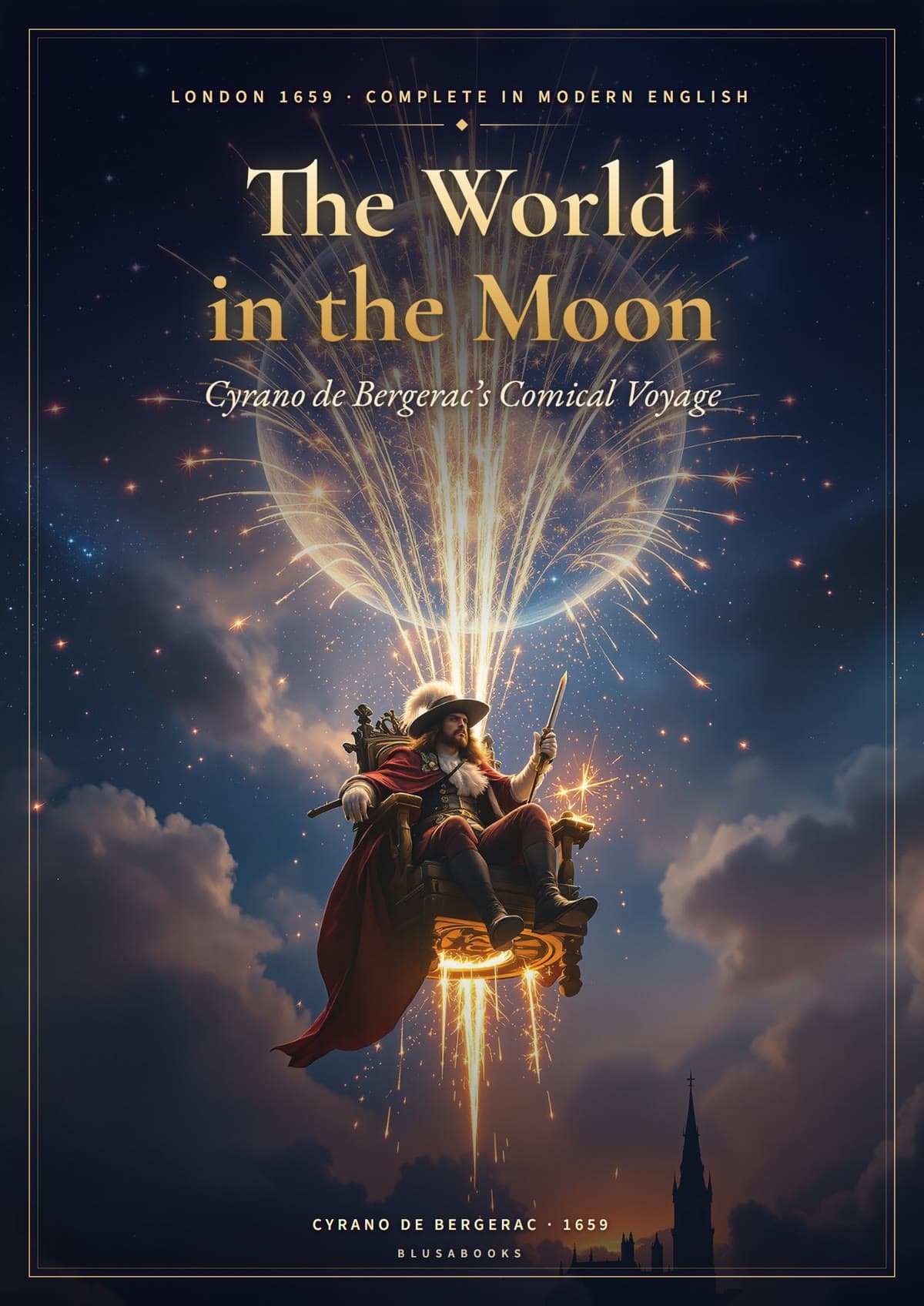
Other Worlds
The World in the Moon: Cyrano de Bergerac’s Comical Voyage
108 pages · PDF · also in paperback
€6.79€8.49